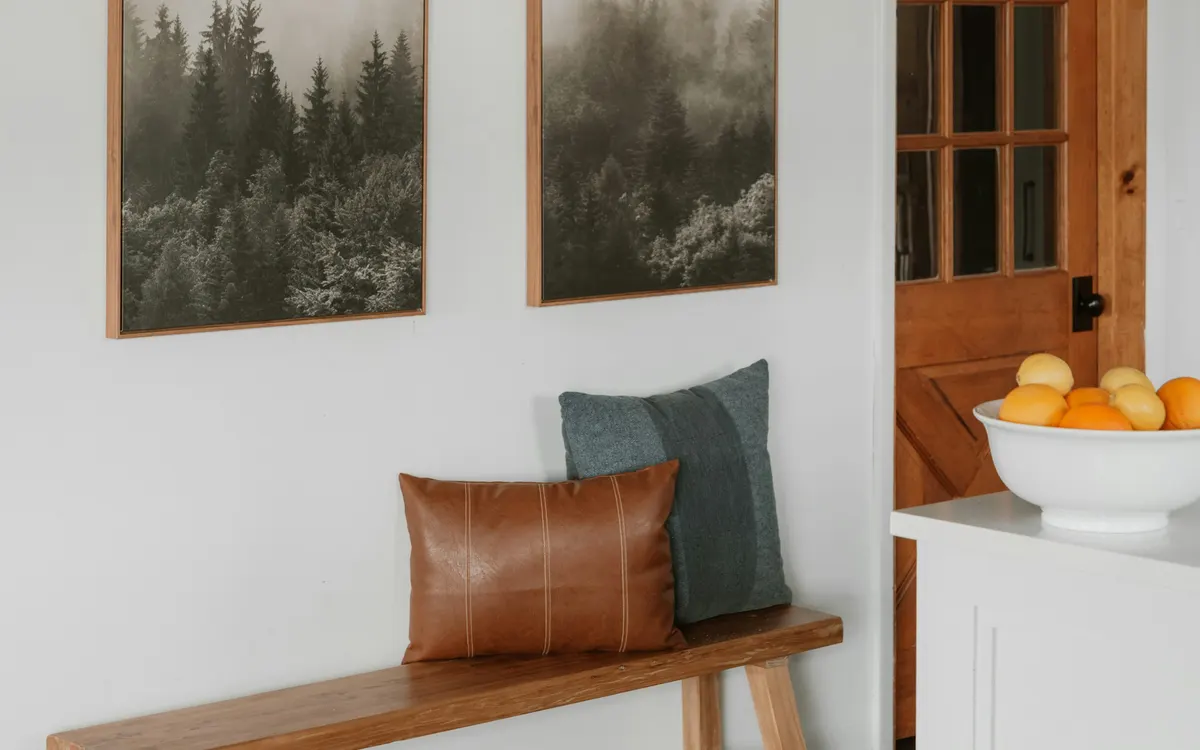
A storage bench is worth buying when it does two jobs well: a comfortable seat at the right height and a compartment whose opening suits what goes inside. For a hallway that usually means a shoe storage bench with open cubbies so footwear can dry; for the end of a bed it means an ottoman bench with a lift-top lid for bedding; for a dining room it means a bench with drawers or baskets that stay closed while people eat. Measure the route it will sit in, check the load it must carry and choose ventilation for shoes, hinges that cannot trap fingers and a footprint that keeps doors and walkways clear.
Storage bench types by how they open
The opening type matters more than the style, because it decides how easily you will use the storage every day. A lift-top bench hides the most and suits bulky items you rarely need, but you have to stand up and clear the seat to get in. Open cubbies show everything and ventilate it, which is exactly right for shoes and wrong for clutter. Drawers suit small items such as gloves, dog leads and hats, and stay tidy because you cannot pile things in them. Baskets under an open frame are the cheapest and most flexible, and the easiest to overfill.
| Bench type | Best for | Drawback |
|---|---|---|
| Lift-top box bench | Bulky, rarely used items: spare bedding, sports kit, blankets | Seat must be cleared to open; lid safety with children; no airflow |
| Open cubby shoe bench | Daily footwear in a hallway or porch | Everything is visible; needs a weekly reset |
| Drawer bench | Small accessories, hats, gloves, keys | Fewer large items; drawers need clearance in front |
| Open frame with baskets | Flexible storage on a budget, renters | Baskets overfill; less stable when tall |
| Ottoman bench (upholstered) | Bedroom end-of-bed storage, living room | Upholstery marks in a hallway; lid weight |
| Garden storage bench | Outdoor cushions and tools in dry weather | Condensation; cushions must be fully dry before storing |
Shoe storage bench: the hallway workhorse
A shoe storage bench earns its space when it holds only the active rotation and lets wet footwear dry. Look for open cubbies, slatted shelves or a ventilated front rather than a sealed box, and count the pairs the household actually wears in a given week before choosing the width. Allow for the largest shoes and boots in the house, because a cubby that fits a child’s trainer does not fit an adult’s walking boot.
Sit on it before you buy if you can. A seat at roughly dining-chair height, typically in the mid 40 cm range, is comfortable for putting on shoes; lower benches look neat and are tiring to use. The seat depth should let you sit squarely without the bench pushing into the walking route. A washable mat under the bench catches grit and drips, and the pairs that are not in rotation belong elsewhere, as the guide to shoe storage ideas explains.
Hallway bench with storage: fitting the route
The hallway is the one room where a bench can make life worse. Measure the width that remains for walking with the bench in place and check that the front door, any internal doors and the under stairs cupboard still open fully. A bench that is too deep turns a corridor into a squeeze, and a squeeze is where coats and bags start landing on the floor.
Where space is short, choose a shallow bench with a slim frame, or a wall-fixed floating bench with a rack underneath. Pair it with hooks above at coat height so the entrance works as a unit rather than a collection of furniture. The wider system, including keys, post and everyday clutter, is covered in hallway storage ideas, and the triangle beside it in under stairs storage ideas.
Load, stability and fixing
Someone will drop onto the bench with their full weight while pulling on a boot. The frame, the seat panel and the joints must take that repeatedly, so check the stated maximum load and prefer solid timber, plywood or a metal frame over thin chipboard for a hallway bench. Narrow, tall benches and anything a child might climb should be fixed to the wall with a bracket, following the same principle as any other freestanding furniture.
Look at the feet as well. Adjustable feet cope with an uneven floor, felt pads protect wooden floors from scraping, and a bench that rocks will loosen its own joints within months. If the bench sits on a mat, make sure the mat cannot slide.
Lids, hinges and children
A lift-top bench is a box with a heavy lid, and a heavy lid can drop onto fingers or, in the worst case, onto a child who has climbed inside. Choose soft-close or slow-fall hinges, a lid that stays open on its own, no locking catch, and a box that is not airtight. Keep heavy items out of the compartment so the lid does not gain momentum, and teach children that the bench is not a hiding place. If those conditions cannot be met, choose cubbies or drawers instead.
Ottoman storage bench at the end of the bed
In a bedroom the bench does a different job: it takes spare bedding, out-of-season layers or a throw, and gives you somewhere to sit while dressing. An upholstered ottoman bench suits this because nobody arrives with wet shoes. Match the length to the bed so it does not protrude past the mattress, keep the lid light and use the compartment for one category only. It sits naturally within the wider plan in bedroom organisation.
Storage benches for dining rooms
A dining bench with storage saves a chair’s width against a wall and can hold table linen, place mats or children’s craft supplies. Drawers or baskets work better than a lift-top here, because nobody wants to stand everyone up to reach the napkins. Check that the seat height matches the table and that the bench slides out far enough for people to sit down comfortably. Cushions make it a seat people choose rather than avoid.
Garden storage bench
A garden storage bench keeps cushions and small tools under cover, but under cover is not the same as dry. Rain is kept out; condensation, damp air and slugs are not. Store cushions only when they are completely dry, lift them out after wet spells and bring them indoors over winter. Choose a bench with drainage holes or a raised base, keep it on a level surface and check the lid seal each spring. Metal fittings and screws should be rust-resistant.
Choosing a bench you will actually use
The safest way to decide is to describe a normal morning. If the bench is where shoes go on, you need a seat and cubbies. If it is where the spare duvet lives, you need a lid and a bedroom. If it is where the children dump school bags, you need hooks above it and baskets below. A bench that tries to do all three does none well. The broader comparison of ottomans, storage beds and chests sits in the guide to storage furniture.
Quick checklist
- Job named: seat, shoe storage, bulky items or small accessories
- Walking route and door swings measured with the bench in place
- Seat height tried, ideally around dining-chair height
- Ventilation for footwear: cubbies, slats or an open front
- Stated load checked; frame solid; feet adjustable or padded
- Soft-close lid, no catch, not airtight where children live
- Garden bench: dry cushions only, raised base, indoors in winter
With the bench settled, the next hallway decision is what goes above it and beside it. Continue with hallway storage ideas.
Frequently asked questions
Questions before you begin
What is the best storage bench for a hallway?
A shallow bench with open shoe cubbies or a ventilated front, a seat at a comfortable height for putting on shoes, and a depth that leaves the walking route and the door swing clear. Wall-fix it if it is narrow or if children will climb on it.
How high should a shoe storage bench be?
Most people find a seat around dining-chair height comfortable for putting on shoes, typically in the mid 40 cm range. Sit on one before buying if you can, because a low bench is tiring to use every day.
Can shoes be stored in a closed storage bench?
Only if they are clean and dry. Damp footwear needs air, so choose a bench with open cubbies, slatted sides or a ventilated front for daily pairs, and reserve sealed compartments for rarely used items.
Is an ottoman storage bench safe with children?
Choose a lid with soft-close or slow-fall hinges and no locking catch, and check the box is not airtight. Keep heavy items out so the lid cannot slam, and teach children that it is not a hiding place.
Can a garden storage bench keep cushions dry?
A weatherproof bench keeps rain off, but condensation and damp air still get in. Store cushions only when they are completely dry, lift them out after wet spells, and bring them indoors over winter.


