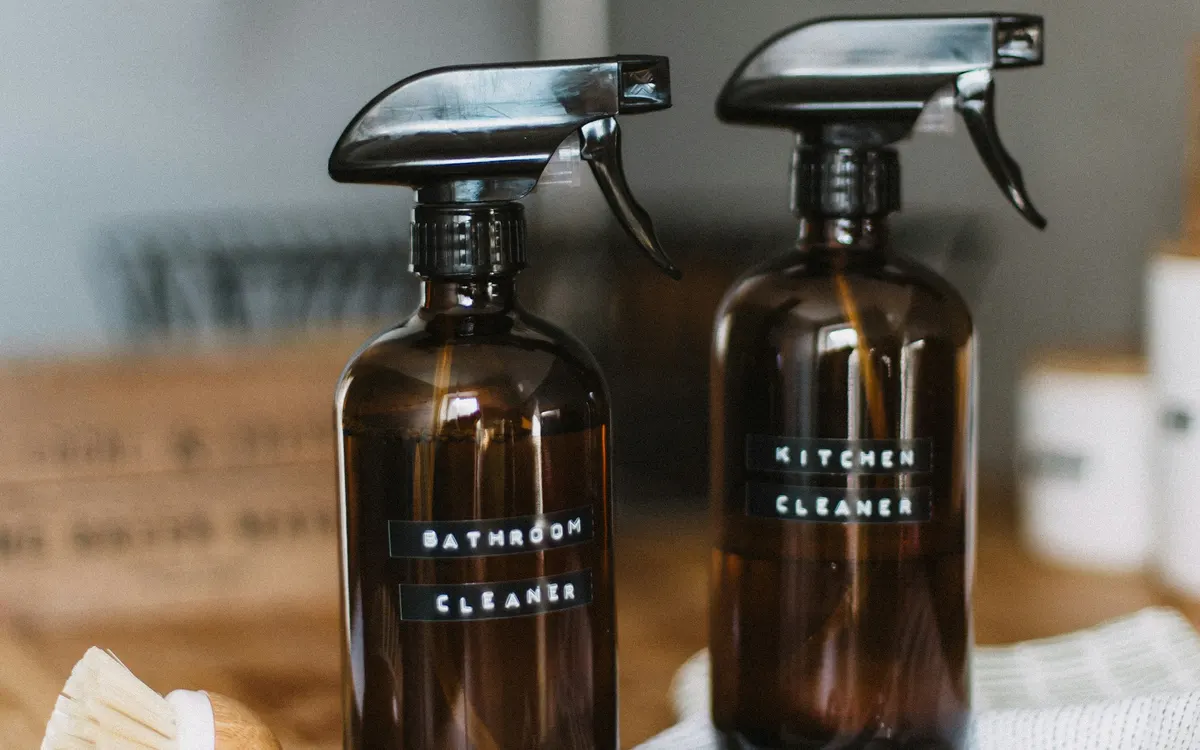
The correct order to clean a house is to declutter first, then work through each room from top to bottom and dry before wet: dust ceilings, lights and high shelves, wipe surfaces, vacuum, then mop. Clean bedrooms and living areas before the kitchen and bathroom, and leave every floor until everything above it is done. Following that order, a typical two- or three-bedroom home can be spring cleaned in one focused weekend, with the annual jobs such as the oven, fridge, mattresses and windows given their own slots.
Declutter before you clean
Cleaning around clutter doubles the work and halves the result. Before any cloth comes out, go through each room and remove what does not belong: rubbish, recycling, things that live elsewhere and things that should leave the house. Bag donations and put them by the door, and book any council collection you will need. Our decluttering guide covers the decisions, and the decluttering checklist breaks them into short tasks if you want to spread this stage over the week before.
The aim is not a perfect edit. It is clear surfaces, empty floors and cupboards you can reach into. If a room needs more than an hour of decluttering, do that hour now and leave the deeper sort for another time; the spring clean should not stall on one difficult drawer.
The correct order to clean a house
Three rules cover almost every decision about sequence.
- Top to bottom. Dust and debris fall. Start with cobwebs, ceiling corners, light fittings, the tops of wardrobes and high shelves, then work down through surfaces to skirting boards and floors.
- Dry before wet. Dust, brush and vacuum before you wipe or mop, so you are not turning dust into mud or pushing grit across a damp floor.
- Bedrooms and living rooms before wet rooms. Bedrooms and living areas are mostly dusting and vacuuming, so they go quickly and build momentum. The kitchen and bathroom hold the harder, wetter jobs; do them when you are warmed up but not exhausted, and do their floors last of all.
Within a room, follow the same logic: high points, then surfaces, then inside cupboards if they are on the list, then floors. Carry cleaning tools from room to room in one caddy so you never walk back for a cloth.
Room-by-room spring cleaning checklist
The table splits each room into the 30-minute pass you might do any weekend and the deep tasks that make it a spring clean.
| Room | 30-minute tasks | Deep tasks |
|---|---|---|
| Kitchen | Clear worktops, wipe surfaces and splashback, clean hob, wipe cupboard fronts, empty bin, vacuum and mop | Oven and racks, extractor grease filter, fridge inside and seals, behind and under movable appliances, inside cupboards, descale kettle |
| Bathroom | Clean toilet, basin, taps and shower screen, wipe mirror, change towels, vacuum and mop | Limescale on taps, screen and showerhead, grout and sealant, extractor fan cover, inside the cabinet, wash bath mat and shower curtain |
| Bedrooms | Change bedding, dust surfaces, put clothes away, vacuum | Vacuum and air the mattress, wash pillows and duvet if the label allows, swap seasonal clothes, wipe inside the wardrobe, clean under the bed |
| Living room | Dust, plump cushions, tidy remotes and cables, vacuum | Vacuum under sofa cushions and beneath furniture, wash cushion covers and throws, clean lampshades, dust books and shelves, spot-clean upholstery |
| Hallway | Clear shoes and coats, wipe door and handles, vacuum | Clean the doormat, wipe skirting boards, reset the coat rack for the season, clean the front door inside and out |
| Windows | Wipe sills and handles | Wash glass inside and out, clean frames and tracks, wash or vacuum blinds and curtains |
| Balcony or garden | Sweep, empty bins | Wash garden furniture and cushions, clean the outside of doors, check for anything to store or dispose of |
Kitchen
The oven is the job people dread, so start there while your energy is high. Remove the racks and soak them, follow the product instructions for the oven itself, and do not use caustic cleaners in a self-cleaning oven unless the manual allows it. Extractor grease filters are usually metal mesh; check the manual, then soak them in hot water and washing-up liquid or put them through the dishwasher if permitted. Empty the fridge shelf by shelf so chilled food is out for the shortest time, wash shelves and door seals, and check dates as you go; our guide on how to organise a fridge covers the layout once it is clean.
Bathroom
Much of England, particularly the south and east, has hard water, so limescale on taps, shower screens and showerheads is the main spring task. Use a limescale remover or white vinegar, leave it to work, and rinse well; never combine it with bleach. Grout and sealant respond to a soft brush and a bathroom cleaner. Replace sealant that has gone black beneath the surface rather than scrubbing at it. Open the window and run the fan throughout.
Bedrooms
Strip the bed, vacuum the mattress slowly with an upholstery tool, and let it air for a few hours before remaking. Rotate or flip it if the manufacturer allows. Check duvet and pillow labels: many can be washed at home in a large-drum machine; otherwise a launderette is the easy route. This is also the moment to swap seasonal clothes, which a later section covers.
Living room and hallway
Lift the sofa cushions and vacuum beneath them, pull furniture out to clean behind it, and wash throws and covers. In the hallway, clean the doormat and the inside of the front door, then reset the coat rack and shoe storage for the season ahead so the winter layers stop travelling in.
Tools and products you actually need
Nothing on this list is specialist.
- Microfibre cloths, at least a dozen, so you can change them often.
- A multi-surface cleaner, washing-up liquid and a bathroom or limescale cleaner.
- An oven cleaner, or a paste of bicarbonate of soda and water for lighter soiling.
- White vinegar for glass, limescale and the kettle.
- A vacuum with crevice and upholstery tools, a soft brush and a dustpan.
- A mop and bucket, a squeegee for glass and screens, and an old toothbrush for grout and tracks.
- Rubber gloves, bin bags and a caddy to carry everything.
Safety while you clean
- Never mix bleach with other products, particularly limescale removers or anything containing ammonia; the fumes are dangerous. Use one product, rinse, then the next.
- Ventilate. Open windows in any room where you are using sprays or strong cleaners, and take breaks outside the room.
- Use a proper stepladder, not a chair, for ceilings and high cupboards, and keep three points of contact.
- Unplug appliances before cleaning them and let the oven cool completely.
- Read the label on anything you have not used before, and keep products away from children and pets while you work.
A two-day plan
| Day | Morning | Afternoon |
|---|---|---|
| Day one | Declutter all rooms, bag donations, book collections, gather tools | Bedrooms: high dusting, mattresses, seasonal clothes swap, floors; then living room and hallway |
| Day two | Kitchen: oven first, then extractor, fridge, cupboards, surfaces, floor | Bathroom: limescale, grout, fan cover, floor; windows if the weather allows; garden furniture |
If you only have one day, do the declutter the evening before, keep to the 30-minute column for every room and choose two deep tasks, usually the oven and the bathroom limescale.
What you can skip
A spring clean is not a renovation. You can skip washing walls unless they are marked, shampooing carpets unless they are stained, and cleaning inside every cupboard; do the ones that hold food or are visibly grimy. Blinds and curtains can wait for a dry day when they will dry outside. If the loft or garage is on your mind, treat it as a separate project rather than adding it to the weekend.
Storing winter items
Once bedding and coats are washed and completely dry, store them so they come out clean in autumn. Winter duvets, padded coats and spare blankets compress well in vacuum storage bags, which protects them from dust and moths and frees wardrobe space; wool coats and anything structured are better in breathable bags on hangers. Label boxes by season and put them at the back of the wardrobe or in the loft, and take anything you did not wear all winter to the donate, sell or recycle route now rather than storing it for another year.
The short checklist
- Declutter every room and get donations out of the house.
- High dusting, surfaces, vacuum, then mop, in every room.
- Oven, extractor filter and fridge.
- Limescale, grout and fan cover in the bathroom.
- Mattresses aired, bedding washed, seasonal clothes swapped.
- Under and behind the sofa and beds.
- Windows, sills and frames.
- Winter items washed, dried and stored.
A spring clean holds for months only if the everyday routine carries on afterwards. The next guide sets out a realistic house cleaning schedule so the deep tasks stay annual and the rest stays small, and the habits in our guide to keeping a tidy house do the rest.
Frequently asked questions
Questions before you begin
What is the correct order to clean a house?
Declutter first, then clean each room from top to bottom and dry before wet: dust ceilings, lights and shelves, wipe surfaces, vacuum, then mop. Do bedrooms and living areas before the kitchen and bathroom, and leave floors until everything above them is done.
How long does spring cleaning take?
For a typical two- or three-bedroom home, plan two focused days if you have decluttered first, including the oven, windows and other annual jobs. A larger or long-neglected home may need a third day.
What should I clean first?
Start with the clutter, not the cleaning: put things away, bag donations and clear surfaces. Then begin with the highest points in each room so dust falls onto areas you have not yet cleaned.
Do I need special products for spring cleaning?
No. A multi-surface cleaner, washing-up liquid, white vinegar or a limescale remover, an oven cleaner, microfibre cloths, a vacuum and a mop cover almost everything. Follow the label and never combine bleach with other products.
How often should I deep clean?
Once or twice a year is enough for most homes if a weekly routine handles the basics. Kitchens and bathrooms benefit from a mid-year deep clean; mattresses, windows and the oven are usually annual.


