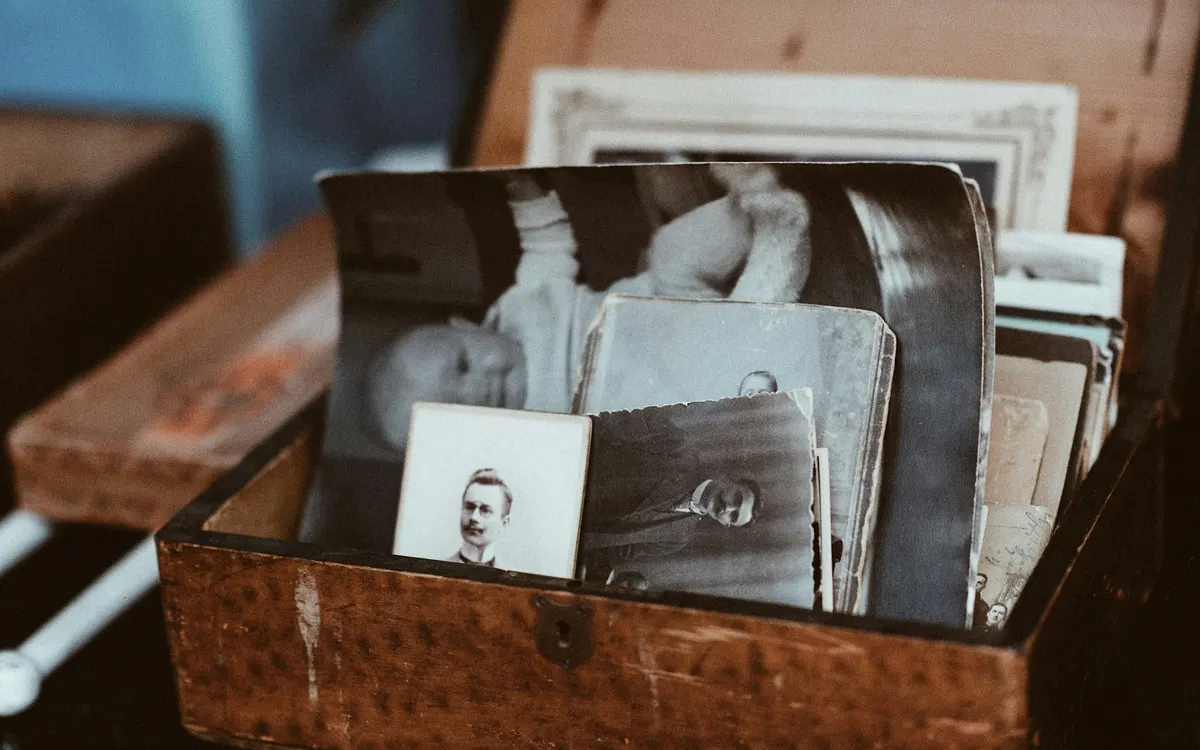
Swedish death cleaning, or döstädning, is the practice of gradually reducing what you own so that your home is lighter for you now and easier for other people to deal with later. It was described for an international audience by the Swedish artist Margareta Magnusson in her book The Gentle Art of Swedish Death Cleaning, published in the UK by Canongate. Despite the name, it is not morbid: it is a slow, practical way of deciding what should stay, what should go and who should have what, done while you are still able to choose.
What döstädning actually means
The Swedish word joins dö, death, and städning, cleaning. Magnusson (1934–2026), an artist and mother of five, wrote about it as something ordinary and practical: going through the house over years rather than weeks, so that nobody would one day be left with a mountain of things to sort. Her book is short, dry and affectionate, and as much about talking to your family as about clearing cupboards. Its suggestions run from easy releases, such as unworn clothes and unwanted presents, to the few things worth keeping, such as photographs and love letters.
Two ideas run through it. The first is that your belongings will have to be handled by someone; if not you, then a partner, a child or a stranger with a van. The second is that a lighter home is a better home to live in now. Death cleaning is not preparation for dying so much as a way of making the years before it easier.
Who it is for
Anyone can death clean, and the book presents it as something to do at any age or stage of life, sooner rather than later. In practice people often begin after a trigger: clearing a parent’s house, downsizing, retirement, a diagnosis, or simply the realisation that the loft has not been opened in a decade. From mid-life onward the case becomes more pressing, but nobody is too young to start.
It suits people who find ordinary decluttering vague: the question is not whether an item brings joy or might be useful one day, but whether anyone would be glad to inherit it.
How it differs from KonMari and minimalism
Death cleaning shares tools with other approaches and borrows freely from decluttering in general, but its purpose and pace are different.
| Approach | Central question | Pace | Ends with |
|---|---|---|---|
| Swedish death cleaning | Would anyone want to deal with this after me? | Months or years, in short sessions | A home others can manage, and things given away in person |
| KonMari method | Does this spark joy? | An intensive category-by-category effort | A curated home organised by category |
| Minimalism | Do I need this to live well? | Ongoing, often with a cap on possessions | Fewer things, deliberately chosen |
| Ordinary decluttering | Do I use this, and does it fit? | A room or drawer at a time | Usable space and a clear exit route |
The Marie Kondo method is fast and personal; death cleaning is slow and outward-looking. Minimalism is about how you want to live; death cleaning is about what you want to leave, including the absence of a burden. None of them excludes the others, and the questions in our guide to decluttering rules can be used inside a death-cleaning process wherever a decision sticks.
The method, step by step
The advice in the book is practical and unhurried. This is the order that works for most people.
- Tell someone. Say plainly to your partner, children or a close friend that you are death cleaning. It removes the shock, invites help and makes it easier to offer them things later.
- Start with large, impersonal and stored items. Furniture you no longer use, the loft, the garage, the spare room, boxes unopened since the last move, duplicate kitchenware, unworn clothes and unwanted presents. These are easy decisions that change the home visibly.
- Give things away while you can. Offer meaningful objects to the people you would like to have them, in person, with the story attached. Let them decline. Something refused now saves an awkward decision later, and something accepted becomes a gift rather than an inheritance.
- Keep a private box. A widely shared suggestion from the book is a small box of things that matter only to you: letters, diaries, mementoes that would mean nothing to anyone else. Label it clearly so that whoever finds it knows it can be discarded unread. It is the one part of the process that is allowed to be entirely yours.
- Leave the sentimental until last. Photographs, letters and keepsakes are slow and tiring. Do them in short sessions once everything else has gone, and consider giving photographs to the people in them.
- Keep a record. A simple list of what has been given away, sold or removed, and what remains, saves repeated conversations and helps whoever comes after.
Documents, passwords and digital life
A large part of what other people struggle with after a death is not furniture but information. Gather the essentials in one place and tell someone where it is: identity documents, property or tenancy papers, insurance, pensions, bank and utility details, and any instructions you want followed. Our guide to a home filing system shows a simple structure that a stranger could navigate.
The digital side matters just as much. Photographs, email, banking, subscriptions and social accounts all sit behind passwords that nobody else knows. Use a password manager, record how it can be reached in an emergency, and cancel subscriptions you no longer use as part of your digital decluttering. Some services offer a legacy contact or inactive-account setting; where they do, set it.
Two things sit outside home organisation but belong on the same list. GOV.UK explains how to make a will, including that a will must be signed and witnessed to be valid and that if you die without one the law decides how your estate is shared. It also explains lasting power of attorney, a legal document that lets you appoint one or more people to make decisions on your behalf if you lose the capacity to make them yourself, in two types covering health and welfare or property and financial affairs. These are pointers, not advice: use the official pages and, where your situation is not simple, a qualified professional. GOV.UK also sets out what to do after someone dies, which is worth reading once.
UK practicalities: where things go
Death cleaning produces a steady stream of things leaving the house, so know the routes before you start. Charity shops take clothing, accessories, homeware, books and toys in clean, saleable condition. Age UK, for example, collects furniture from some of its shops and will send a free postal bag for smaller donations, but cannot accept damaged, incomplete or unsafe items or bulky goods such as duvets and pillows. Councils run bulky-waste collections and household recycling centres, and electricals need their own route. Our guide to unwanted items covers donating, selling and recycling in more detail.
If you are clearing a whole property, house clearance firms will remove everything, but check that the company is a registered waste carrier and ask what will be reused rather than tipped. Selling higher-value pieces yourself, or through an auction house, is slower but often better for the object and the estate.
Emotional care and pacing
Handling a lifetime of objects stirs things up, and that is not a sign of doing it wrong. Work in sessions of an hour or two, on days when you have energy, and stop while it still feels manageable. Involve people, because the stories are part of what you are passing on. If clutter has been weighing on you for a long time, our guide to clutter and mental health explains what a lighter home can and cannot change.
If letting go of almost anything feels impossible and the home is becoming hard to use, that is a different situation from ordinary clutter; the NHS describes hoarding disorder as a mental health condition, and our guide to hoarding disorder explains gentle first steps and where to find support.
Talking to parents about death cleaning
If you are hoping a parent will start, lead with their comfort and control rather than with what will happen afterwards. Ask whether the loft or the garage is bothering them, offer to help with one specific area, and accept a no. Never clear anything without their agreement, and do not argue over the value of individual objects. Many parents start once they see that the process is about giving, not losing.
A Swedish death cleaning checklist
- Tell your family or a friend what you are doing and why.
- Clear the loft, garage, spare room and any unopened boxes.
- Remove unused furniture, duplicate kitchenware, unworn clothes and unwanted gifts.
- Offer meaningful items to the people you would like to have them.
- Gather documents in one labelled place and tell someone where it is.
- Set up emergency access to passwords and cancel unused subscriptions.
- Read the GOV.UK guidance on wills and lasting power of attorney.
- Put a labelled private box aside for things that are yours alone.
- Sort photographs, letters and keepsakes last, in short sessions.
- Keep a running list of what has gone and what remains.
Most people find that the paperwork is the part they were avoiding and the part that brings the most relief. If that is where you would like to begin, the next guide walks through setting up a home filing system that anyone could pick up.
Sources and references
Frequently asked questions
Questions before you begin
What is Swedish death cleaning?
Döstädning is the Swedish practice of gradually clearing out the belongings you no longer need so that your home is lighter for you now and easier for others later. It was described for an international audience by the Swedish artist Margareta Magnusson in The Gentle Art of Swedish Death Cleaning.
Is Swedish death cleaning only for older people?
No. The book presents it as something to do at any age or stage of life, sooner rather than later, and in practice people often begin from mid-life or after a bereavement, a move or a change in health.
How is it different from decluttering?
Ordinary decluttering asks what you use and have space for; death cleaning adds a second question about who would have to deal with each item later. It is slower and more deliberate, and it includes documents and digital accounts, not only objects.
Where do I start with Swedish death cleaning?
With large, stored and impersonal things: the loft, the garage, unused furniture, duplicate kitchenware and clothes you no longer wear. Leave photographs, letters and keepsakes until last.
Is there a Swedish death cleaning checklist?
Yes. The checklist in this guide covers telling someone, clearing stored and large items, giving things away, papers and passwords, digital accounts and a private box for personal things. Work through it over months, not a weekend.
How do I talk to my parents about it?
Lead with their comfort and control rather than with what will happen after they die. Offer to help with one specific area, accept a no, and never clear anything without their agreement.


